West Virginia Legislature sends budget to Gov. Morrisey’s desk
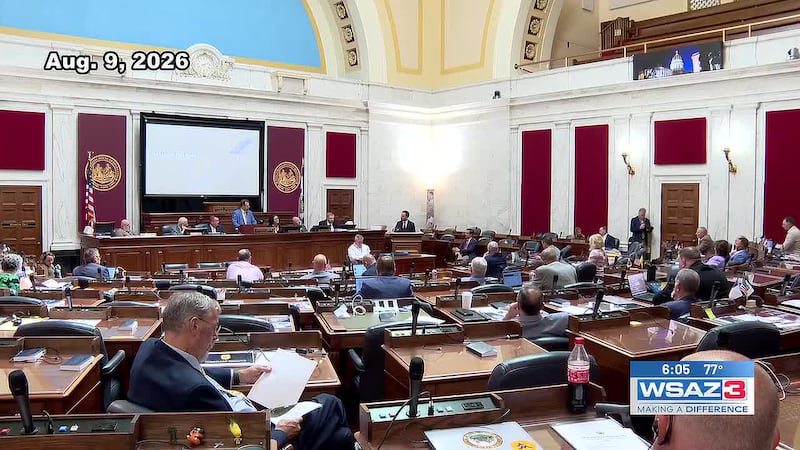
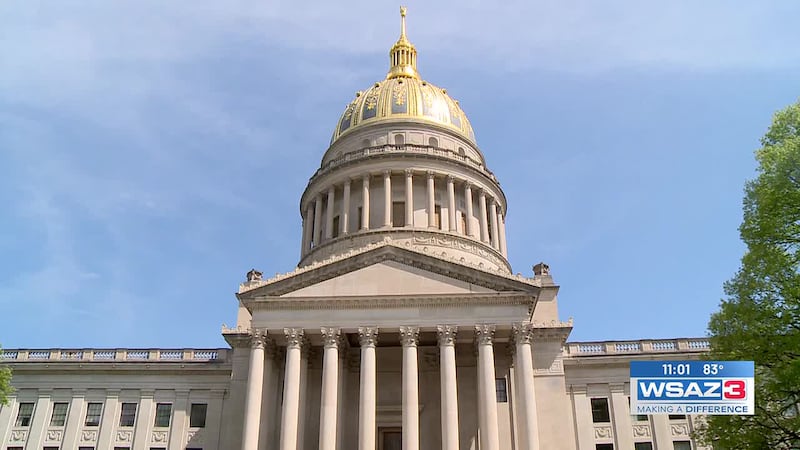
CHARLESTON, W.Va. (WSAZ) - On Thursday, both chambers of the West Virginia Legislature passed an amended budget bill, the result of a compromise between House and Senate leaders.
The bill appropriates more than $21 billion of taxpayer money. Significant funding aspects include:
- 5 percent personal income tax cut
- 3 percent average state employee raise
- $2 billion in road maintenance funding
- $5 million in flood mitigation (which was reduced from $25 million in the initial House version of the budget)
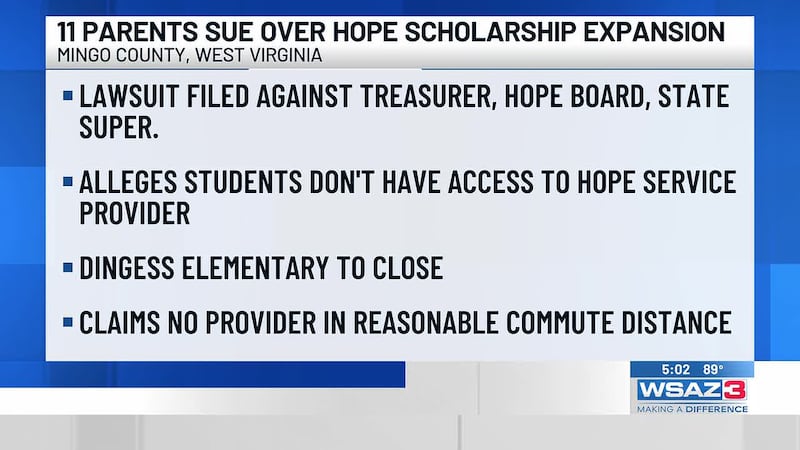
- $290 million to fully fund the HOPE Scholarship for next school year, and the first quarter of the next
- More funding for CPS, higher education, and emergency medical services, Medicaid, and economic initiatives
There are several differences between the previous versions of the budget and the final one that passed, including a 10 percent income tax cut in the Senate version that the House took out; and the Senate fully funding HOPE for a year and a half, while the House funded it for a year, with the final version for a year and a quarter.
“Both chambers have top priorities and there are some differences,” Senate Finance Chair Jason Barrett (R-Berkeley) told WSAZ. “And like any other negotiation, there are tough times and there are easier times. And so, the House Finance Chairman and I were able to work through it and get us to a place where we could bring a bill to our respective members and get the support for it.”
When explaining the bill on the House floor Thursday night, House Finance Chair Vernon Criss (R-Wood) called the final version “responsible.”
“It’s part of the process,” he told delegates. “In a compromise, not everyone gets what they want. You have to settle for things and try in your best knowledge at the time to be able to authorize the spending of these dollars in various ways.”
One aspect that lawmakers said they were most excited about was the road funding.
“I think that’s something that we skip over a lot, but I know in my district, I know across the state, we hear about road funding a lot,” Sen. Ben Queen (R-Harrison) told WSAZ. “Personally, if I could go a month without hearing a pothole complaint, I would think my job has been a success.”
Criss told reporters that the budget passed both chambers earlier than normal, in an effort to be able to respond to any vetoes that Gov. Patrick Morrisey may have. Last year, Morrisey had 29 line-item vetoes for the budget, leaving lawmakers blindsided.
“So this year, we decided we were going to back up and with the consent of the Senate do this project so that we have an opportunity to voice our opinion if that’s what he decides to do,” Criss said.
The budget bill did not go without debate. Del. Daniel Linville (R-Cabell), wondered what happened to his amendment which would provide funding for a state OSHA investigator, after a WSAZ Investigation exposed the need. The amendment was adopted when the House initially took up the budget, but was no longer reflected in the final version presented Thursday
“I wish that had been part of the negotiations,” Linville said on the House floor, pressing House Finance Chair Criss and Vice Chair Clay Riley (R-Harrison): “Will you commit to trying to work with me to try to make sure that that occurs, and that gets funded?”
Both Criss and Riley said they would.
Democrats also voiced their concerns, noting the lack of funding for areas like public education and foster care. Del. Sean Hornbuckle (D-Cabell) told reporters that he was concerned about the structure of the budget, calling it “unsustainable.”
“They prioritized funding the HOPE Scholarship and a 5% tax break that will go mostly to the wealthy donor class, while failing to increase any funding for public education,” Senate Democrats Mike Woelfel (D-Cabell) and Joey Garcia (D-Monongalia) wrote in a statement explaining their vote against the final bill. “We stand by our vote; the people of this state deserve better.”
“We have our friends in Southern West Virginia who turn on the tap and get black water coming out of there. We’ve got foster kids living in hotels,” Del. John Williams (D-Monongalia) said on the House floor. “Our people deserve to be invested in, and I’m afraid that this doesn’t do that.”
Still, House and Senate finance leaders told reporters they were pleased with the final product, calling it a responsible use of taxpayer dollars.
“This is a $23 or 24 billion service company, and every morning, when I get up at 5:00, I know that a service of the state has to be provided to the 1.8 million people,” Criss said. “And that service costs money, and we need those dollars available so that we can pay for that service. And I think as long as we’re able to make these responsible, appropriations, then we’ll be able to provide the services that the state needs.”
“I think West Virginia should be proud of this budget,” Barrett told WSAZ. “And I think that they should be happy with the nature in which we look after their tax dollars.”
Copyright 2026 WSAZ. All rights reserved.